
"arabica volatility"
700 article(s) found
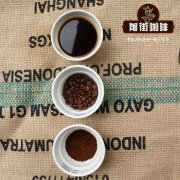
Brief introduction of Coffee Flavor defect Group Aromatic Taint 36 smell bottle
Professional coffee knowledge exchange more coffee bean information please follow the coffee workshop (Wechat official account cafe_style) Aromatic Taint (defect group) (wet): soil Eathy, straw Straw, medicine Medicinal soil: flavor type (Aroma group) earth soil flavor characteristics (Aromatic features of the sample): this is new after heavy rain

Coffee knowledge
Coffee (scientific name: Coffea arabica), also known as coffee tree, Arabica coffee, etc., is the national flower of Yemen. Before the 6th century in the park, Yemen was called Arab, so the coffee trees transported from them to other places were also called Arabian coffee trees. The name coffee comes from the Arabic word "Qahwah", which means plant drink. Later, coffee spread all over the world.

Coffee flavor tasting: where does the "bitter" and "sour" in coffee come from?
Bitterness: caffeine is the best known bitter ingredient in coffee, but caffeine actually accounts for up to 10% of the bitter taste. This can be understood from the fact that the concentration of caffeine in roasted beans is not affected by the degree of roasting, and that non-caffeine also tastes bitter. So where does the remaining 90% of the bitterness come from? One of the sources of coffee bitterness is brown pigment. Brown pigment

How is the wonderful and compound aroma of coffee produced?
Exchange of professional baristas Please follow the coffee workshop (official Wechat account cafe_style) in the process of brewing coffee, we all look forward to the moving moments full of fragrance: caramel, flowers, berries, nuts, honey, tea and other wonderful and compound aromas are absolutely the most attractive parts of coffee SCAA Poster Coffee Tasters Flavor Wheel coffee raw beans can be detected.

Interpretation of the defective flavor in the coffee flavor wheel how does the defective flavor of coffee come into being?
Professional coffee knowledge exchange more coffee bean information Please pay attention to the coffee workshop (Wechat official account cafe_style) what is the meaning of coffee wet and dry coffee flavor and aroma of coffee seven factors affecting the flavor and aroma of coffee, we all look forward to the moving moments full of fragrance: caramel, flowers, berries, nuts, honey, tea and other wonderful and compound aroma
Basic knowledge of fine coffee knowledge of small-grain coffee
Coffee (scientific name: Coffea arabica), also known as coffee tree, Arabica coffee, etc., is the national flower of Yemen. Before the 6th century in the park, Yemen was called Arab, so the coffee trees transported from them to other places were also called Arabian coffee trees. The name coffee comes from the Arabic Qahwah, which means plant drink. Later, the coffee spread all over the world, and it was picked.

The flavor characteristics of coffee are actually the products of a chemical compound. Where does the aroma of coffee come from?
There are too many factors in coffee that can affect coffee flavor: variety, baking methods, brewing methods, treatment methods. However, when you start to analyze it, the flavor characteristics of coffee are actually a product of chemical compounds. Of course, these compounds are affected by the way we roast coffee, the type of coffee, and the height at which we plant it. But if we really want to optimize,
How to grind Arabica coffee beans manually grind Arabica coffee
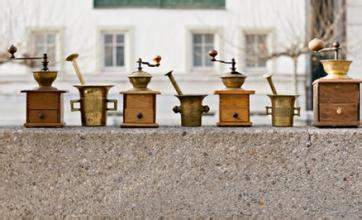
How to grind Arabica coffee beans? It can be carried out mainly by two methods, one is the traditional manual grinding, the other is that it can be ground by bean grinding machine, each of which has its own advantages. Manual grinding of Arabica coffee beans: manually ground Arabica coffee beans, uniform powder particles, can better maintain the original flavor. But the grinding speed is too fast.

How to grind Arabica coffee beans
How do you grind Arabica coffee beans? It can be carried out mainly by two methods, one is the traditional manual grinding, the other is that it can be ground by bean grinding machine, each of which has its own advantages. Manual grinding of Arabica coffee beans: manually ground Arabica coffee beans, uniform powder particles, can better maintain the original flavor. But the grinding speed is too slow, so now the coffee shop is general.

How do you produce the strange smell of coffee? How can I make coffee powder without tools?
How do you produce the strange smell of coffee? How can I make coffee powder without tools? In the process of brewing coffee, we all look forward to the moving moments full of fragrance: the wonderful and complex aromas of caramel, flowers, berries, nuts, honey and tea are absolutely the most fascinating thing about coffee. Coffee raw beans can detect more than 300 compounds, and coffee cooked beans are more than 850, complex.

A brief introduction to the description of flavor, taste and aroma characteristics of Hartmann's fine coffee beans with excellent sweetness
The red wine treatment method refers to the fermentation process of the wine treatment, and the selected coffee cherries are put into a sealed metal container for anaerobic fermentation, and the PH value in the fermentation process, the type and number of bacteria involved in fermentation are controlled purposefully, even temperature and humidity, to ensure the quality of coffee beans, closed fermentation makes the aromatic substances more difficult to volatilize.
Fine Coffee Common Sense Coffee Bean Roasting Trilogy
Self-grinding and self-brewing coffee, slowly feel the freshness of roasted beans is very critical, and live in Kunming, where Yunnan Arabica coffee is produced, so I try to bake coffee by myself, starting my baking trilogy. First, I use stainless steel wire spoon baking, feeling better than baking effect with iron pan, baking depth to be uniform, but hard tiring. And because of the poor thermal insulation of the steel mesh spoon
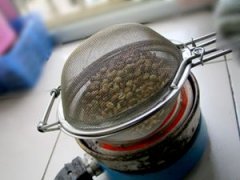
The process of self-baking coffee My baking trilogy
Self-grinding and self-brewing coffee, slowly felt that the freshness of roasted beans is very critical, and live in Kunming, where Yunnan Arabica coffee is produced, so I tried to bake coffee by myself, starting my baking trilogy. First, I use stainless steel wire spoon baking, feeling better than baking effect with iron pan, baking depth to be uniform, but hard tiring. And because of the poor thermal insulation of the steel mesh spoon

History of Coffee Central American Coffee producing countries
Coffee ingredient Editor caffeine: has a particularly strong bitter taste and stimulates the central nervous system, heart and respiratory system. Appropriate amount of caffeine can also reduce muscle fatigue and promote digestive juice secretion. Because it promotes kidney function, it is diuretic and helps the body to expel excess sodium ions from the body. But eating too much can lead to caffeine poisoning. Tannic acid: boiled tannic acid will

Scientific explanation: why coffee produced in coffee shops tastes better than home brewing?
Professional coffee knowledge exchange More coffee bean information Please pay attention to coffee workshop (Weixin Official Accounts cafe_style) The taste of coffee purchased in coffee shops is sometimes very different from that of home brewing. There are many reasons: the type of coffee beans, water, grinding and freshness of coffee beans, etc. Coffee brewing has two systems: soaking extraction filter extraction

A brief discussion on the difference between Coffee blending and Coffee roasting individual Coffee and mixed Coffee Italian blending ratio
Coffee starts with origin and taste, and, of course, can't do without variety, because at first people only consume coffee grown in nearby areas. However, with the development of trade, the types of coffee are gradually mixed. Today, although good coffee from a single variety or origin can be directly cited, coffee is essentially a mixed drink, like champagne or some wine.

Introduction of Alabica Coffee producing area in Bolivia by Water treatment method
Coffee is rich in oils, fatty acids and other compounds. All of these chemicals are collectively referred to as soluble substances that give flavor to coffee. They are extracted from coffee powder during brewing. When the coffee bean is roasted, the strong heat evaporates the water in the center of the bean, and the volatile oily substance is extracted to cover the outer surface of the bean. But this kind of material, technically,
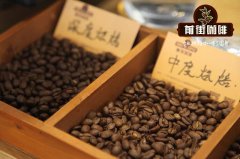
Roasted coffee classification _ roasted coffee beans need to put anything? how about roasted coffee beans
Professional coffee knowledge exchange more coffee bean information Please pay attention to the coffee workshop (Wechat official account cafe_style) raw coffee beans basically can not smell, roasted coffee can emit a unique flavor. After roasting in different degrees, different raw coffee beans produce different types and quantities of flavor substances. The roasting of coffee determines the number of raw coffee beans.

How many chemicals are there in a cup of coffee
Coffee flavor chemistry has been studied for more than 200 years. Researchers have been committed to the separation and identification of coffee flavor substances. At present, more than 1000 coffee flavor substances have been reported. People can smell the aroma of coffee, because of the volatility of chemical molecules, the flavor of these chemical molecules is combined to form the taste of coffee. Swiss Federal University of Technology

Introduction to washed Arabica beans and coffee beans in Papua New Guinea
The coffee beans of Papua New Guinea are processed washed Arabica beans with a taste similar to the bright notes of Central and South America, with obvious sour aromas, sometimes orange, flower and fruit, slightly spicy and chocolate, and long-lasting sweet aromas of caramel. Flavor reference: refreshing herbaceous and floral aromas, tenderness of Central and South American beans, slightly sour, fruity, sticky